Lafayette Wing Chun
Traditional martial arts training built on authentic lineage, hard work, and cooperative practice.
Traditional martial arts training built on authentic lineage, hard work, and cooperative practice.
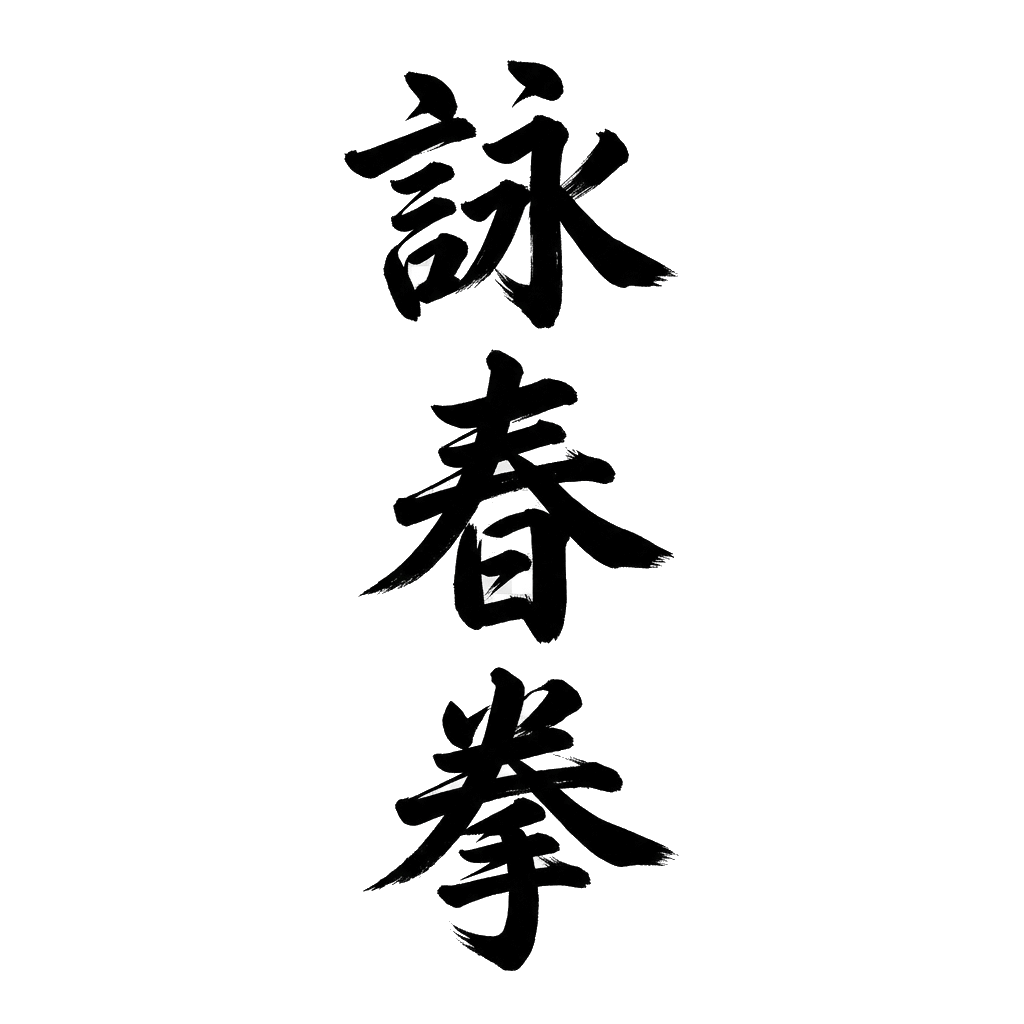
Wing Chun is a southern Chinese kung fu style. Our tradition is that Wing Chun was founded by a Buddhist nun named Ng Mui ("Five Plums"), and then named after her student Yim Wing Chun (“Praise Spring”). The style is based on the snake and crane fighting styles, and is a soft style of kung fu.
The goals of kung fu training are to build the body, to learn the body mechanics, to learn the techniques, to practice the techniques, and to apply the art. Classically, we have to learn the body method and the hand method. The kung fu style of Wing Chun primarily concentrates on close range.
In Wing Chun, the primary cultivation method is via solo practice. Partner training is used to continue and deepen the cultivation and to practice the hand methods with each other in an alive but still cooperative way. The wooden dummy serves as a tool for solo practice.
Part of the magic of kung fu comes from cultivation of the body and the mind. We will approach understanding this part from foundational exercises provided by the Sangenkai. These are independent of any particular style and can be applied in disciplines such as boxing and jiu-jitsu as well as in traditional martial arts. My understanding is work-in-progress but I believe this approach will let you better understand and make your own decisions about martial arts in general.
NOTE I have experience with two different Wing Chun training methods, one from Hong Kong and one from Vietnam. Both are fascinating but the two wing chun methods are different and I do not combine them.
Lafayette, Indiana
The schedule is in the relaxed Chinese style. Come during training hours and work on kung fu.
| Class Type | Days | Time |
|---|---|---|
| Foundation | TBD | TBD |
| Wing Chun | TBD | TBD |
$108 per month.
Where do you start?
You don't know what you don't know. The first goal is to understand training martial arts and kung fu. After that you can better choose your path.
Your experience will probably help you train and understand more quickly. All kung fu styles have their own logic, so you have to be able to be open to new ideas.
You might not agree with everything. But if you are willing to compartmentalize and to examine things from different angles, it will be useful.
Jerome Braun
My goal is to share what I have learned in studying kung fu and internal power development and to improve my own skill level by teaching and cultivating a group of people who love the martial arts. These arts are in danger of being lost in our generation. I do not claim mastery but I do have permission to teach.
Since 1995, studying Hong Kong Wing Chun Kuen (Ip Man → Leung Sheung → Chung Maan-Nin). Since 2009, studying Sangenkai internal body development (Dan Harden). Since 2017, studying Vietnamese Vịnh Xuân Quyền (Yuen Chai Wan → Trần Văn Phùng → Trần Đức Lợi).
From 2011–2013, studied Brazilian Jiu-Jitsu (Al Ramirez) at white belt level. From 1987–1995, studied Aikido Yoshinkai (Ueshiba Morihei → Shioda Gozo → Morita Masatoshi) to second degree black belt level.
Shorter-term training included Choy Lee Fut (Doc Fai Wong), Goju Ryu Karate (Yamaguchi Gosei), and fencing (Ferenc Marki). Limited seminar training included Chen Taijiquan (Chen Qing Zhou, Chen Xiao Wang), I Liq Chuan (Sam Chin), Xing Yi (Li Tai Liang), and internal strength and bodywork (Mike Sigman, Akuzawa Minoru).
Yes, contact me.